
Yoga vs Walking: Which Is Better for Sustainable Weight Loss?
What You’ll Learn
In this article, we’ll delve into a comprehensive comparison between Yoga and Walking, focusing on their effectiveness for sustainable weight loss. We’ll explore key aspects such as calorie burn, mental health benefits, accessibility, physical health advantages, and long-term adherence. By the end, you’ll have a clear understanding of which activity aligns better with your fitness goals and lifestyle.
Quick Comparison Table
| Feature | Yoga | Walking |
|---|---|---|
| Calorie Burn per 30 Minutes | 150–200 calories (Hatha Yoga) | 200–300 calories (Brisk Walking) |
| Mental Health Benefits | Reduces stress, anxiety, and improves focus through mindfulness | Lifts mood and reduces stress, especially when done outdoors |
| Accessibility | Requires mat and space; can be practiced at home or in classes | No equipment needed; can be done anywhere, including outdoors |
| Physical Health Benefits | Improves flexibility, balance, and muscle tone | Enhances cardiovascular health and leg strength |
| Sustainability | May require more commitment to master techniques; suitable for long-term practice | Easy to incorporate into daily life; suitable for long-term practice |
Overview of Yoga
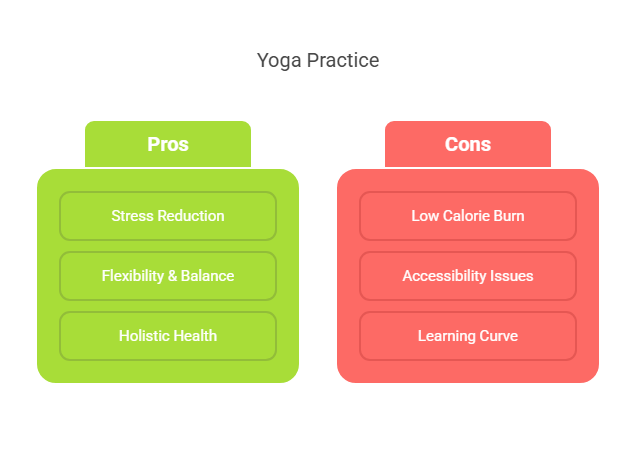
Yoga is an ancient practice that combines physical postures, breathing exercises, and meditation to promote overall well-being. It offers a holistic approach to health, focusing on the mind-body connection.
Pros
– **Stress Reduction**: Yoga’s emphasis on mindfulness and deep breathing helps reduce stress and anxiety levels.
– **Flexibility and Balance**: Regular practice enhances flexibility and balance, reducing the risk of injuries.
– **Holistic Health**: Addresses both physical and mental health, promoting a sense of inner peace and well-being.
Cons
– **Calorie Burn**: Generally burns fewer calories compared to more intense forms of exercise, making weight loss slower.
– **Accessibility**: Requires a quiet space and a mat; may not be suitable for those with limited space or equipment.
– **Learning Curve**: Some poses can be challenging without proper guidance, potentially leading to frustration for beginners.
Overview of Walking
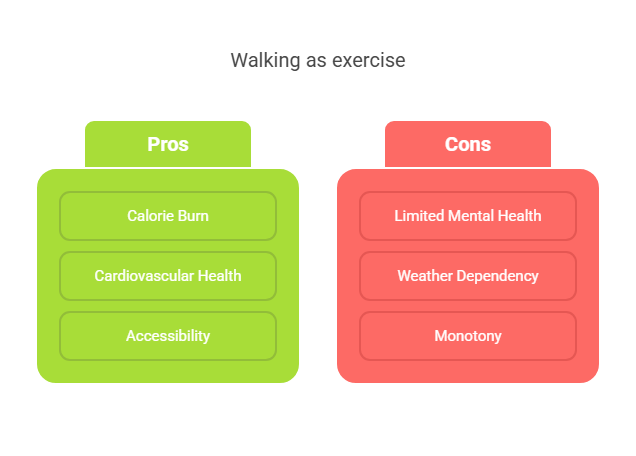
Walking is a low-impact aerobic exercise that can be performed almost anywhere. It’s one of the most accessible forms of physical activity, requiring minimal equipment.
Pros
– **Calorie Burn**: Burns more calories per session than yoga, aiding in faster weight loss.
– **Cardiovascular Health**: Regular walking improves heart health and reduces the risk of cardiovascular diseases.
– **Accessibility**: No special equipment needed; can be done outdoors or on a treadmill.
Cons
– **Limited Mental Health Benefits**: While walking can improve mood, it may not offer the same level of stress reduction and mental clarity as yoga.
– **Weather Dependency**: Outdoor walking is subject to weather conditions, which can limit consistency.
– **Monotony**: Some may find walking repetitive, leading to decreased motivation over time.
Side-by-Side Breakdown
Calorie Burn and Weight Loss
Walking generally burns more calories per session than yoga, making it more effective for weight loss. A 155-pound person burns approximately 240–300 calories per hour walking at a moderate pace, compared to 150–200 calories per hour with Hatha yoga. ([yogadivinity.com](https://www.yogadivinity.com/yoga-vs-walking/?utm_source=openai))
Mental Health and Stress Relief
Yoga excels in stress reduction and mental clarity through mindfulness and deep breathing techniques. It has been shown to reduce cortisol levels and improve mood. ([timesofindia.indiatimes.com](https://timesofindia.indiatimes.com/life-style/health-fitness/fitness/walking-for-30-minutes-vs-yoga-for-30-minutes-which-has-more-benefits/articleshow/118802985.cms?utm_source=openai)) Walking, especially outdoors, can also lift mood and reduce stress but may not provide the same depth of mental relaxation.
Accessibility and Convenience
Walking is highly accessible, requiring only supportive footwear and the ability to walk. It can be done anywhere, including parks, streets, or trails. Yoga requires a mat and a quiet space, which may not be available to everyone.
Physical Health Benefits
Walking enhances cardiovascular health and leg strength, contributing to overall physical fitness. Yoga improves flexibility, balance, and muscle tone, supporting joint health and mobility.
Sustainability and Long-Term Adherence
Walking is easy to incorporate into daily routines and can be maintained over the long term. Yoga may require more commitment to master techniques and may be less sustainable for some individuals.
Which One Should You Choose?
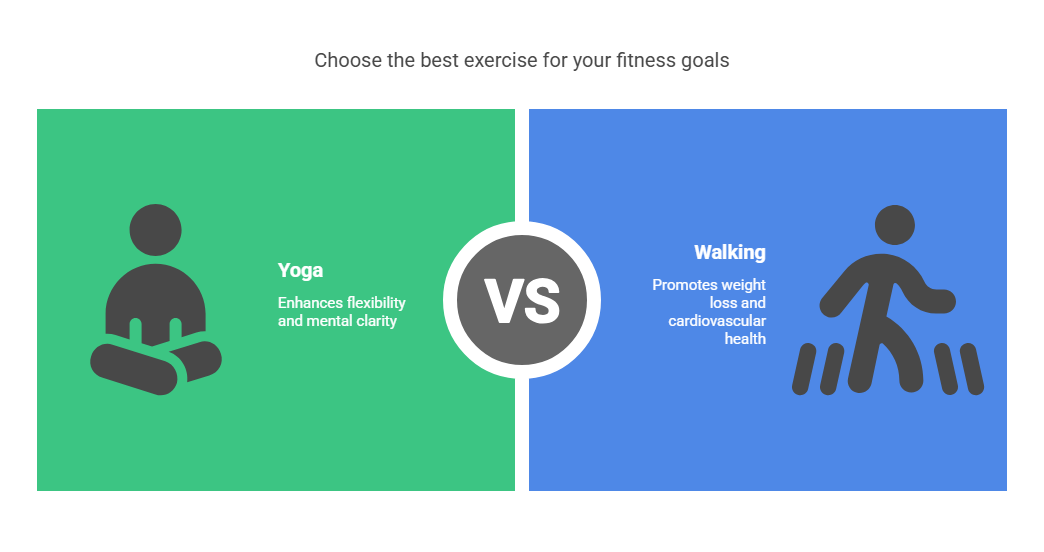
Your choice between yoga and walking should align with your personal fitness goals and lifestyle:
– **Choose Yoga If**:
– You seek stress reduction and mental clarity.
– You want to improve flexibility and balance.
– You prefer a holistic approach to health.
– **Choose Walking If**:
– Your primary goal is weight loss and calorie burning.
– You desire cardiovascular fitness.
– You need an accessible and straightforward exercise routine.
Yoga vs Walking: The Final Verdict
| Category | Winner |
|——————————|———|
| Best for Beginners | Walking |
| Best for Stress Relief | Yoga |
| Best for Weight Loss | Walking |
| Best for Flexibility | Yoga |
| Best for Cardiovascular Health | Walking |
Findings and Recap
Both yoga and walking offer unique benefits for sustainable weight loss and overall health. Walking is more effective for calorie burning and cardiovascular fitness, making it suitable for those focused on weight loss and heart health. Yoga provides superior stress relief and mental clarity, along with improvements in flexibility and balance. Consider your personal goals, preferences, and lifestyle when choosing between the two.
Ready to start your fitness journey? Explore our recommended walking and yoga programs to find the perfect fit for you.
Related reading: The Ultimate Guide to Starting a Walking Routine
AI Image Prompt: A split-screen image showing a person practicing yoga on one side and walking briskly on the other, symbolizing the comparison between the two activities.
([yogadivinity.com](https://www.yogadivinity.com/yoga-vs-walking/?utm_source=openai))
“`html
Frequently Asked Questions
What is the main difference between Yoga and Walking?
Yoga is a meditative exercise that may improve bodily postures, mindfulness, and reduce anxiety, while walking is a low-impact activity that may enhance cardiovascular health and aid in calorie burning. ([stylecraze.com](https://www.stylecraze.com/articles/what-are-the-differences-between-yoga-and-walking/?utm_source=openai))
Which activity is better for weight loss?
Walking generally burns more calories than yoga in the same amount of time, making it more effective for shedding extra kilos. ([ndtv.com](https://www.ndtv.com/health/walking-or-yoga-heres-whats-more-effective-for-weight-loss-7889375?utm_source=openai))
Can Yoga and Walking be combined in a fitness routine?
Yes, combining both can work wonders for you. A 2023 Journal of Lifestyle Medicine study suggests combining yoga and walking for optimal health—yoga for flexibility and stress relief, walking for cardio and calorie burn. ([yogaclassesinahmedabad.com](https://yogaclassesinahmedabad.com/yoga-vs-walking-which-is-better-for-your-health/?utm_source=openai))
Which activity is more accessible for beginners?
Walking wins here, as it’s one of the most accessible exercises around. It requires no equipment, no space, and can be done almost anywhere. ([yogaclassesinahmedabad.com](https://yogaclassesinahmedabad.com/yoga-vs-walking-which-is-better-for-your-health/?utm_source=openai))
How do Yoga and Walking impact mental health?
Yoga excels when it comes to cultivating mindfulness, improving mental clarity, and reducing stress. Meditation, deep breathing, and body awareness are integral to yoga practice, helping practitioners achieve mental balance. ([topyogaworld.com](https://www.topyogaworld.com/archives/14628?utm_source=openai))
Which activity is better for improving flexibility and balance?
Yoga is the clear winner here. The stretching and strengthening movements in yoga are specifically designed to improve flexibility and balance, making it ideal for those who may struggle with stiff joints or poor balance. ([yogaclassesinahmedabad.com](https://yogaclassesinahmedabad.com/yoga-vs-walking-which-is-better-for-your-health/?utm_source=openai))
Can Yoga and Walking be combined in a fitness routine?
Yes, combining both can work wonders for you. A 2023 Journal of Lifestyle Medicine study suggests combining yoga and walking for optimal health—yoga for flexibility and stress relief, walking for cardio and calorie burn. ([yogaclassesinahmedabad.com](https://yogaclassesinahmedabad.com/yoga-vs-walking-which-is-better-for-your-health/?utm_source=openai))
“`